In Singapore’s year-round humidity, untreated particleboard sideboards often warp within months — a common frustration in HDB BTOs and landed properties alike. Engineered wood, with its layered construction and moisture-resistant adhesives, offers a more durable alternative. Treated teak, though pricier at around $1,200 to $2,400 for a 150cm unit, stands up exceptionally well to the climate, resisting both warping and termites.
Budget buyers might gravitate toward particleboard sideboards for their affordability, but the material’s susceptibility to humidity makes it a poor long-term investment. In many homes, drawers start sticking, and the surface develops unsightly bulges within a year. Engineered wood, on the other hand, combines affordability with resilience; it’s a practical choice for those furnishing dual-function dining-living layouts.
Teak, especially when treated, is the gold standard for humid climates. Its natural oils repel moisture, and its dense grain ensures longevity — even in landed properties with less climate control. While it’s a splurge, teak’s timeless appeal and durability make it a favourite among design-forward shoppers seeking a sophisticated storage solution.
For those prioritising durability, it’s worth skipping the budget particleboard options altogether. Engineered wood and treated teak not only withstand Singapore’s humidity but also maintain their aesthetic appeal over time. Storage needs might evolve, but a well-chosen sideboard won’t let you down.
In a 12 sqm HDB living room, every centimetre counts — especially when you’re trying to squeeze in a dining table alongside storage. Sideboards between 150cm and 180cm wide strike the right balance; anything larger risks dominating the space, leaving little room for movement or additional furniture. Oversized designs might look impressive in showrooms, but in compact layouts, they often feel oppressive rather than functional.
Height matters too. At 75–90cm, sideboards sit low enough to maintain sightlines in smaller spaces, preventing the room from feeling cluttered. Their narrow profile makes them ideal for dual-function areas, where they can double as a dining room buffet or a living room media console without overwhelming the layout. Rubberwood or laminate finishes are common choices, offering durability without adding visual weight.
Placement is key. Position the sideboard along a wall adjacent to the dining area, ensuring it doesn’t obstruct pathways or crowd the dining table. In many homes, this setup creates a seamless transition between zones, making the space feel cohesive rather than cramped. Avoid pushing the sideboard too close to the sofa or TV console — you’ll want at least 60cm of clearance for comfortable movement.
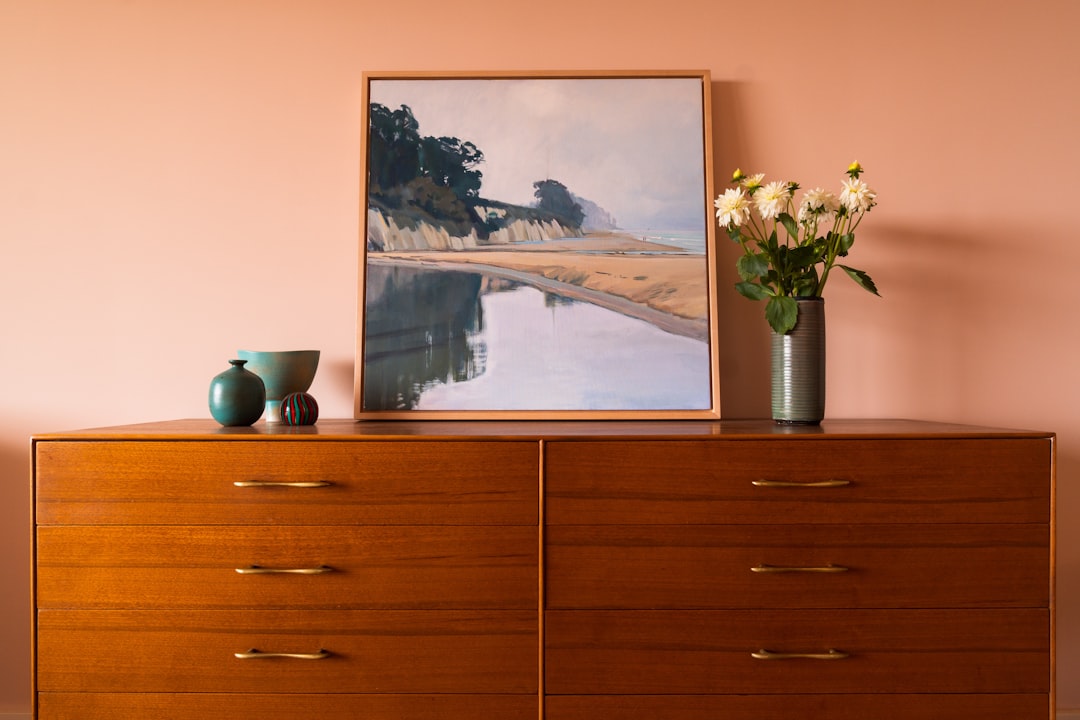
For those in resale HDBs or condos with limited square footage, modular designs can be a lifesaver. Units with adjustable shelving or detachable drawers allow for customisation, adapting to changing needs without requiring a full replacement. Just remember: sleek, minimalist lines work best in compact spaces, avoiding the visual chaos that intricate detailing can bring.
Sideboard construction: Assessing frame joinery for long-term stability
Dovetail joints are the hallmark of a well-built sideboard — they interlock tightly, resisting the pull of heavy dishware or books better than stapled or glued corners. In many homes, sideboards double as storage for weighty items, from crystal decanters to vinyl collections. Cheap joints loosen over time, leaving drawers sagging or misaligned after just a year of use. Look for hand-cut or machine-carved dovetails, which distribute weight more evenly than simpler butt joints. A solid sideboard should feel sturdy when you tug gently on a drawer, with no creaks or wobbles.
Smooth drawer slides make a sideboard feel premium, especially in dual-function spaces where drawers are opened daily. Cheap metal runners often stick or squeak, frustrating homeowners who use their sideboard as a media console or bar cabinet. Full-extension ball-bearing slides allow drawers to glide effortlessly, even when loaded with heavy items. Test each drawer before buying — it should open and close with minimal effort, without catching or scraping. Well-made slides also reduce wear on the cabinet frame, extending the sideboard’s lifespan.
Solid wood drawer fronts are a key indicator of quality, offering durability and a richer finish than veneered particleboard. In humid Singapore, cheaper materials warp or swell, leaving gaps between drawers and frames. Hardwoods like oak or teak resist moisture better, maintaining their shape even in air-conditioned spaces. Tap the drawer fronts lightly — solid wood produces a dull thud, while hollow materials sound tinny. A well-crafted sideboard should feel substantial, not lightweight or flimsy.
The finish on a sideboard reveals how much care went into its construction — uneven stains or rough edges suggest rushed workmanship. High-quality finishes, like hand-rubbed lacquer or oil-based stains, penetrate deep into the wood, protecting it from scratches and spills. Avoid sideboards with glossy polyurethane coatings, which can chip or peel over time. Inspect the edges and corners for smoothness, and check for consistent colouration across all panels. A premium finish should feel silky to the touch, not sticky or plasticky.
A sideboard’s frame determines its stability — poorly joined panels shift under weight, causing doors to stick or drawers to tilt. Look for mortise-and-tenon joints or dowelled connections, which provide stronger support than screws or nails alone. The back panel should be securely attached, not just stapled on, to prevent wobbling. Test the sideboard by applying gentle pressure to the top — it shouldn’t sway or creak. A well-built frame ensures the piece remains level and functional for years.
Pets and sideboards rarely coexist peacefully. In landed properties with dogs or cats, scratches on lower panels and shattered glass doors are common complaints — especially in homes where furniture doubles as a play area. Opting for scratch-resistant laminate finishes can save hours of touch-up work; it’s a practical choice that doesn’t compromise on style. Rounded edges, often overlooked, reduce the risk of injuries during those inevitable moments when pets dart past at full speed.
Glass doors, while sleek, are a magnet for accidents. A playful collision or an overenthusiastic leap can lead to costly replacements. Solid wood or laminate doors offer durability without sacrificing aesthetic appeal. For those who still want a display element, open shelving with sturdy brackets is a safer alternative — just keep fragile items out of reach.
Height matters too. Sideboards around 75cm tall are less likely to become scratching posts or climbing frames. Lower profiles, while trendy, invite pets to treat them as lounging spots. In homes with active animals, it’s worth prioritising functionality over fleeting design trends. After all, a sideboard that survives daily life is far more satisfying than one that’s constantly in need of repair.
Unfinished or thin back panels warp easily due to humidity changes. Press lightly to check for flexing, a sign of low-quality materials. Solid wood or properly sealed backs offer better longevity.
Knock on surfaces to detect hollow sounds, indicating particleboard or hollow-core frames. These lack durability and dent easily under pressure. Opt for solid wood or high-density fiberboard for heavy-use areas.
Inspect sideboard joints for gaps or misalignment, as uneven seams indicate poor craftsmanship. Loose or wobbly connections may worsen over time, compromising stability. Check both visible and hidden joints for consistency.
Test drawer movement—sticking or sagging reveals subpar slide mechanisms. Flimsy metal or plastic slides wear out faster than hardwood runners. Ensure drawers open smoothly without tilting or catching.
Walk into Megafurniture’s Joo Seng showroom on a weekday afternoon, and you’ll find a handful of buyers running their hands along the edges of sideboards — checking for uneven seams, loose hinges, or wobbly drawer tracks. It’s a quiet ritual that reveals more than any product description ever could. Sideboards here typically hover between $1,200 and $2,400, a range that balances affordability with materials like rubberwood and engineered veneers — durable enough for daily use in a dual-function living-dining space. The Tampines location, tucked near Bedok Reservoir, offers a closer look at construction details. Drawers glide smoothly on metal runners, a small but critical upgrade from plastic tracks that wear out after a few years. Cabinet doors feature soft-close mechanisms, a subtle touch that prevents slamming in open-plan layouts. These details matter, especially in homes where the sideboard doubles as a media console or bar cabinet. One standout feature is the modular design of many pieces — adjustable shelves and removable panels allow buyers to customise storage for specific needs. In a 12 sqm HDB master bedroom, that might mean extra space for folded linens or luggage. In larger condos, it’s often used to organise wine bottles or tech gadgets. The finishes, from matte walnut to high-gloss white, lean neutral — a safe bet for design-forward shoppers who want versatility without committing to a bold aesthetic. For those furnishing a dual-purpose living room, the height and depth of these sideboards are worth noting. At 75–90cm tall and 150–200cm wide, they’re low enough to pair with a wall-mounted TV yet spacious enough to hold dinnerware or decor. It’s a practical choice, especially when space is tight but storage needs are high. Browse the
optionsto see how these pieces fit into your layout.
Boxed sideboards often clock in at over 200cm — a tight squeeze for HDB lifts, especially in older estates like Bedok or Tampines. Measure your lift’s interior dimensions before committing; many buyers overlook this, only to find their new piece stuck in the carpark. Even landed properties aren’t immune — narrow staircases in terrace houses can pose similar challenges.
Professional assembly isn’t just a luxury; it’s a necessity for sideboards. DIY setups often lead to misaligned doors or uneven surfaces, especially with larger pieces. The precision required to level a 180cm sideboard across uneven HDB floors is harder than it looks — and uneven legs can warp the structure over time.
Most assembly services charge between $80 and $150, depending on complexity. It’s worth the investment, particularly for sideboards with intricate hardware or soft-close mechanisms. Cheaper alternatives might seem tempting, but a poorly assembled piece can compromise both function and aesthetics.
For those in dual-function spaces — living-dining combos or open-plan layouts — consider timing your delivery carefully. A sideboard’s bulk can disrupt daily routines, especially in smaller 4-room BTOs. Schedule for a weekend or a day when you’ve got room to manoeuvre.
Sideboards are designed to last, but only if they’re assembled correctly. A rushed DIY job might save you $100 upfront, but it’ll cost you more in the long run.
Will a 75cm-tall sideboard fit a 65-inch TV? Only if you’re mounting it — most displays this size sit 85–90cm off the floor for comfortable viewing, leaving just 10cm clearance. Better to treat the surface as a spot for soundbars or decorative objects; the TV goes above on wall brackets.
Humidity warping veneer? Singapore’s 80% RH means untreated wood expands within months. Look for sideboards with moisture-resistant plywood cores (rubberwood or acacia veneers hold up better than teak-look laminates). Weekly wiping with a barely-damp microfiber cloth prevents salt buildup from coastal air — skip the “wood conditioner” sprays that leave sticky residues.
HDB dwellers ask about depth. Standard BTO living rooms allow 40–45cm deep units before walkways feel cramped; landed properties can handle 50cm for serious storage. That extra 5cm matters when stashing serving platters or CNY decorations.
Condo owners debate open shelving versus closed cabinets. The former collects dust near expressway-facing windows (think PIE-facing units in Bishan or Tampines); the latter traps humidity inside unless ventilation slats are present. Glass-fronted cabinets split the difference — visible enough to remind you what’s inside, sealed enough for Kallang Basin’s salty breezes.
“Will the legs survive my robot vacuum?” Entry-level sideboards often use hollow metal legs that dent when bumped by a Roborock. Solid wood or cast aluminum bases cost 15–20% more but withstand years of daily collisions. Check the clearance height matches your mop attachment — 12cm is the sweet spot for most D-shaped heads.
A sideboard that fits perfectly in a landed property’s dining room might overwhelm a 4-room BTO living room — even if it’s technically the right height. Measure twice, buy once. Bring a tape measure to the showroom, and don’t just check the width; consider how far doors swing open, especially in tight layouts like dual-function dining-living spaces. A 180cm sideboard might seem manageable, but add 30cm for drawer clearance, and suddenly it’s crowding the walkway.
Humidity is another silent culprit. In Singapore’s climate, materials like MDF or particleboard can warp faster than you’d expect — especially if the sideboard’s near a window or air-conditioning unit. Look for rubberwood or solid wood finishes; they’re pricier but hold up better in high-moisture environments. If you’re eyeing a veneer finish, check the edges for proper sealing — gaps here are a red flag.
Storage needs often get overlooked until it’s too late. Think beyond plates and cutlery; sideboards now double as media consoles or bar cabinets in many homes. Will you need deeper drawers for electronics cables, or adjustable shelves for wine bottles? A sideboard with fixed shelves might look sleek, but it’s less forgiving if your needs change.
Finally, consider the surface. A smooth, lacquered top is easy to clean but shows fingerprints instantly. Textured finishes like sintered stone or matte laminates are more forgiving, especially in homes with kids or pets. Whatever you choose, make sure it complements the room’s existing materials — mismatched finishes stick out more than you’d think.
Before committing, visualise the sideboard in your space. Take photos of the room and compare them to showroom displays. It’s not just about whether it fits; it’s about whether it belongs.